Burying the Lead with an Axe (or How You Might Prevent Breast Cancer with Estrogen)

The headlines should have swept the nation and the world – ESTROGEN REPLACEMENT THERAPY LOWERS BREAST CANCER INCIDENCE WHILE REDUCING MORTALITY AS WELL. But you probably never heard a word about it. And if you did, you probably heard the distorted version that has tricked and befuddled many, ever since the Women’s Health Initiative began over 20 years ago – HORMONE REPLACEMENT THERAPY INCREASES BREAST CANCER RISK. What gives?

The media coverage from the Women’s Health Initiative (WHI) has been shaky for many years, not to mention widespread misunderstanding by clinicians, which then translates to a confused public. This is not helped by local newspapers where the story from the newswire services (Associated Press et al) might report the story correctly, but since the lead can be buried at the tail end of the press release, it often gets the axe (as happened in our ever-shrinking Oklahoma City newspaper), and doesn’t appear in print at all. A devoted search online will eventually lead to the facts, but filtering out the garbage can be very difficult.

Let me see if I can resurrect the mind-blowing results of the WHI that have been inexplicably ignored for 20 years.

The Women’s Health Initiative (WHI) was launched by the NIH in 1993 addressing several health issues with proposed interventions for postmenopausal women – heart disease, breast cancer, colorectal cancer and osteoporosis/bone fractures. Of several high-quality WHI clinical trials, we are interested here only in the impact of hormone replacement therapy on breast cancer risk and mortality. And here’s where the confusion begins – Estrogen plus Progesterone had the opposite effect to using Estrogen alone.

Yet, media coverage (and downstream public confusion) regularly lumps the two trials with very different outcomes into one all-encompassing (and incorrect) statement: “The WHI showed us that hormone replacement therapy increases breast cancer risk.” The error is generated by the phrase “hormone replacement therapy,” which covers different concoctions, far too ambiguous to use in this controversy.

I’ve even heard experts at the podium boast about the WHI as proof that “evidence-based medicine” dispels gross misconceptions, e.g., “We once thought that hormone replacement therapy was safe with regard to breast cancer risk, but the WHI showed us the dangers, and now that women have decreased their hormone use, breast cancer incidence is actually declining.” By the end of this article, you should be able to see the error in that seemingly benign statement.

Twenty years ago, I wrote the first lay book on breast cancer risk assessment. Well, more accurately, it was almost the first. Dr. Patricia Kelly’s book (Assess Your True Risk of Breast Cancer) was released one month before mine, and we both essentially wrote the same thing, independently. Yes, bookstores were loaded with tomes covering various risk factors for breast cancer, but the distinction is this – no authors of lay literature were combining multiple risks into a workable number from which patients could make rational decisions. This would later become known as “breast cancer risk assessment.” The Gail Model had been developed, but was largely unknown at the time except for its employment in the NSABP P-01 trial on tamoxifen prevention. Other models had been proposed in the epidemiology literature, but had not been recognized yet at the clinical level. Anyway, in that book, I distilled what was known at the time about hormone replacement therapy (HRT), and it was clear that there was a difference between estrogen alone (in women who had undergone prior hysterectomy) and estrogen plus progesterone (in women with an intact uterus).

Note: the progesterone is added primarily to protect the lining of the uterus from the non-stop estrogen effect, which can increase the risk of uterine cancer. Sadly, many patients back then were told that E+P would be good for reducing breast cancer as well (“just like the uterus”), but evidence was already available 20 years ago that indicated otherwise.

Although the available literature at that time was based on observational studies without prospective, randomized trials, there was a consistent feature – E+P was worse than E alone. In fact, I made the bold statement (bold in 2000, that is) that if you made the distinction between these 2 very different HRT approaches, future studies might prove that estrogen alone will carry no risk at all. This was nearly heresy. But I wasn’t relying only on available clinical literature at that time. I had reviewed the basic science literature as well. Histologic changes in breast tissue had been documented during different phases of the menstrual cycle, as well as various postmenopausal hormone preparations. Oddly, estrogen alone had very little impact on mitotic figures in the breast (or on other proliferative markers), which indirectly might translate to no increased breast cancer risk.

As it turned out, my prediction of E-alone as being “neutral” was not revolutionary enough. The WHI showed a lower risk of breast cancer in the E-alone limb from the git-go. And this finding was roundly ignored, with the entire focus placed on the E+P findings that prompted stoppage of this E+P limb of the study due to the increased breast cancer risk (the increased risk being a predetermined checkpoint that was actually a rather modest degree of risk, but nonetheless real). The poor E-alone findings of benefit got dragged down to the depths of obscurity even though the results were opposite that of E+P. In the end, it was all lumped together as HRT, in general, “increases breast cancer risk unacceptably.”

It is critical to understand that these were two separate trials within the WHI umbrella – 1) Estrogen (E-alone) vs. placebo and 2) Estrogen plus Progesterone (E+P) vs. placebo. Both were prospective, randomized trials, which have more power in defining truth than observational studies, even when those lesser studies are combined (selection bias in observational studies can only be limited through prospective randomization). 16,608 women participated in the E+P trial, while 10,739 participated in the E-alone trial. In the E-alone trial, women had previously undergone hysterectomy, thus eliminating the risk of uterine cancer in those women who take estrogen alone.

As noted above, when the initial report was released in July 2002, it prompted early termination of the E+P group as risks were outweighing benefits, led by the predesignated breast cancer risk. Even then, however, as “HRT” was widely blackballed, the results in the E-alone limb were surprising – there was a LOWER incidence of breast cancer. Experts dismissed the finding as it failed to reach statistical significance (though it was close), and the anti-E+P juggernaut continued, incorrectly absorbing results of both trials in its wake as a single finding in a single study (through no fault of the WHI, but through commentators on the trial).

But then something unexpected happened with longer follow-up – the E-alone women had fewer and fewer breast cancers emerge until that group did, in fact, reach statistical significance. AND YOU DIDN’T HEAR A WORD ABOUT IT! Why? I’m not sure, except that it didn’t make biologic sense (to most). The E+P findings made sense, and the risk was readily accepted. But the E-alone lowering of risk had no biologic explanation.

Improbably, E-alone appeared to be preventing breast cancer. Pundits continued to point out the wonder and beauty of evidence-based medicine in reducing breast cancer incidence through widespread stoppage of E+P, even though these same experts and journalists were simultaneously ignoring the shocking evidence in the E-alone trial. “Well, just give it time, and you’ll see that E-alone will eventually raise risk.” Or, so it was said by the few who actually had noticed the disparate findings between the two limbs.

In 2004, the E-alone trial was stopped as had been done previously for the E+P trial. But it was not because of breast cancer risk, which had landed on the benefit side of the scale. It was because of a small increase in strokes in those taking Estrogen alone over placebo. Without digressing too much, this stoppage was inconsistent with the SERM risk reduction trials where both tamoxifen and raloxifene demonstrated an increased risk of thrombotic events, but the chance of a breast cancer being prevented greatly exceeded this risk, allowing FDA approval for breast cancer risk reduction with SERMs. But the WHI had a different philosophy, largely because so many more women would be taking Estrogen if endorsed. Even though the risk of stroke was very small in comparison to overall benefits, they did not think a preventive medication should carry any measurable risk. For purposes here, the E-alone trial, unlike E+P, was not stopped due to the breast cancer risk.

But in December 2019, at the San Antonio Breast Cancer Symposium, Rowan Chlebowski, MD, PhD, stunned the audience with the 20-year follow-up for the TWO hormonal therapy studies of the WHI. The E+P results were similar to earlier reports – a 29% higher incidence of breast cancer, statistically significant, and a 45% increased risk of breast cancer death. It is here that stoppage of E+P (at least the combination used in the WHI – Prempro™) has likely spared many women the diagnosis of breast cancer. But in fact, this was nothing new. What was new about the E+P follow-up was the fact that the risk persisted even after stopping the hormones. In the first reports, this risk seemed to disappear, then later reports indicated some risk persisted, and now the long-term follow-up suggests the E+P risk to be more persistent than we thought after stopping therapy, perhaps lasting a lifetime.

But the “shock” came with the other study — the long-term follow-up in women who took Estrogen alone vs. placebo. The lowered incidence of breast cancer on estrogen was maintained and now clearly significant from the statistical standpoint – a 23% reduction in breast cancer incidence (remembering that E+P increased risk 29%). But much to the surprise of even Dr. Chlebowski, there was a statistically significant reduction in breast cancer mortality of 44% with the use of estrogen alone.

As Dr. Chlebowski pointed out, the FDA has approved two drugs to prevent breast cancer – tamoxifen and raloxifene – and neither of these agents has been shown to lower breast cancer mortality. Yes, both agents lower breast cancer incidence (slightly more powerful than the estrogen data above), but neither drug used in the preventive setting has yet been show to lower morality due to breast cancer. Only Estrogen fits that bill. Go figure.

Another oddity is that the reduced risk occurred primarily in estrogen-positive/progesterone negative tumors. How does taking estrogen reduce the risk of an ER-positive tumor? Because the story is much more complicated than what one chooses to take as replacement therapy, and the changes in ER status of individual cells likely take place largely independent of what hormone one takes above and beyond the natural milieu. Patients routinely state things like, “My mother’s breast cancer was estrogen-fed, so I’m not too worried about my family history since I don’t take estrogen.” This is faulty reasoning, and such a patient should acknowledge the family history independent of whether the tumor is “estrogen-fed” or not.

And another point: all the percentages above are referring to RELATIVE RISK, which can be very misleading. Relative risks are always more impressive than ABSOLUTE RISKS. An increase from one cancer to two cancers in a study would be a “100% increase” in relative terms. A decrease from two cancers to one, on the other hand, is a “50% decrease in risk” in relative terms. Relative risks are calculated without knowing the total number of patients in a study. Absolute risks include that number, offering far greater perspective in making therapeutic choices (and much lower numbers that aren’t as exciting).

For example, in the E+P study, there were 1,003 cancers overall, so if 438 cancers occurred in the placebo group, then a “29% increase in risk” would generate 565 cancers in the group that took the combination of E+P, or an excess of 127 cancers attributable to the use of E+P. But there were about 8,000 women who took E+P and did NOT develop breast cancer, so this excess of 127 cancers translates to an absolute risk of 1.6% that E+P will generate a breast cancer above and beyond baseline risk. This absolute risk might be acceptable to an individual trying to make a decision about HRT using E+P, but on the other hand, it is quite unacceptable to public health experts who translate that tiny number to the millions of women who were taking E+P at the time, prompting discontinuation of the study.

Turning to the E-alone study, there were 520 cancers in the long-term follow-up, so if 294 cancers occurred in the placebo group, then a “23% reduction” would leave us with 226 cancers in the group that took estrogen. But there were over 5,000 women who took estrogen in this study who did NOT develop breast cancer. So, the benefit was restricted to 68 women (294-226=68) out of 5,000, around 1.4%. Which is more impressive – a 23% relative reduction, or a 1.4% absolute risk reduction? Both are true. “Relative” wins the popularity contest every time, but it’s the 1.4% absolute benefit that gives you better perspective.

(Note: It was this sort of exercise – distinguishing relative risks from absolute risks – that Dr. Patricia Kelly and I introduced to the lay public, and many professionals, in our books published in year 2000. It’s hard to believe now, but very few studies made the distinction at the time. And while both books could make the reader math-weary, the bulk of information included was brand new to both the lay public and health care providers.)

One month has passed since the WHI announcement in San Antonio, and very little can be found even online about this landmark study. And when discussed more precisely in terms like “combined hormone therapy increases breast cancer risk and mortality, an opposite effect than single agent therapy,” the impact of this study can still be missed. That is, estrogen-alone replacement therapy might actually lower breast cancer risk and mortality. Few readers of current articles could explain exactly what “combined therapy” or “single agent therapy” is. Only rarely will you see a distinction made, using the culprit’s true name – progesterone (in combination with estrogen).

So, does the scientifically “pure” WHI study, with over 10,000 women in the E-alone study, trump the 100,000 women in the U.K. meta-analysis that combined 58 lower-quality studies where estrogen alone had a modest increased risk for breast cancer? Not all 58 studies showed increased risk, of course, but the combined meta-analysis revealed an increased incidence with estrogen, regardless of the exact preparation or whether oral vs. transdermal (only vaginal estrogen cream escaped implication). Hard to say.

Observational studies include a variety of built-in biases, such as “selection bias,” a phenomenon difficult to erase even with meta-analyses. For example, women who opt for estrogen replacement seem to be more compliant with routine screening mammography, and if so, more low-grade cancers will be identified – not because of a negative impact from estrogen but due to the “length bias” potential (call it overdiagnosis, if you must) of screening. Meanwhile, those not taking estrogen might be less likely to get mammography whereupon fewer cancers will be found.

As for me and my patients who ask about estrogen-alone replacement, I’ve been telling women about the WHI ever since their first announcement 18 years ago, using words like this: “The most scientifically pure study ever performed indicates estrogen alone is safe with regard to breast cancer risk and might even be protective against breast cancer,” often adding: “new studies might show different results, or that non-stop use for decades might negate the benefit seen with short-term use, but for now, it appears unlikely that you could do yourself harm with estrogen alone.” And if more information is requested, I go into absolute risk and benefit, as distinct from relative risks and benefits, especially if we’re talking about using E+P.

Although the story is still being written, my question is more than “Does estrogen alone actually prevent breast cancer deaths?” The more immediate question is: “Why is no one talking about it?”

Just How Dense Are You?


Forty years ago, mammograms detected 90% of breast cancers. Or so we were told. Oddly enough, the more that the technology improved, the worse that mammograms performed. That is, the data on sensitivity started falling apart under scrutiny. The 90% became 80%, which more recently added this modifier: “…but with dense breasts, it’s more like 50%.”

Those of us practicing medicine in the dense breast space, or more accurately, the dense breast wilderness, have long known that the dense breast problem is much worse than both clinicians and patients have been willing to admit. In fact, for Level D density, 50% is a gift. Level D gets to hide behind the skirts of Level C, and when both groups are managed as one (the usual situation), then yes, 50% sensitivity works pretty well. But isolate Level D, and…ugh. The 10% of women with Level D have not been singled out for more specific information about the reliability of their mammograms when used alone.

At least, not until now. We’ve been eagerly awaiting the initial results of the prospective, randomized DENSE Trial from The Netherlands for several years. This is a unique study using breast MRI in women with Level D density. Very straightforward patient accrual strategy – Level D and you’re in. The study will be generating data for the next 10 or more years (including the stringent endpoint of a mortality reduction, the only endpoint recognized by the U.S. Preventive Services Task Force in breast cancer screening).

The interesting thing about these trials is that you can predict results fairly well with some basic information: Sensitivity of mammography in Level D patients, Sensitivity of MRI in Level D patients, and disease prevalence in the study population. For longer studies (DENSE is only 2 years of screening), you also need to know disease incidence. In the case of disease prevalence and incidence, one must remember that Level D patients are at a modestly increased risk for breast cancer, such that we face a double whammy – higher probability of cancer and higher probability that cancer will be missed if screened only with mammography.

It would have been nice to include Ultrasound as an alternative to MRI, but a 3-limb study requires many more patients and much more money. Nevertheless, it has been my view for a long time that for Level D patients (what we used to call Level 4, and what was originally called “extremely dense”) mammography alone is inadequate for screening and that supplemental imaging is mandatory for acceptable practice.

The current grassroots movement on breast density awareness would have done well to avoid the dichotomy of “dense vs. non-dense.” They should have come out swinging, stating: “Supplemental imaging is mandatory for Level D patients, and is strongly advised for Level C.” The Level D data would have poured forth freely, and as a result, it would have become obvious that mammograms are not enough. Gradually, this would have spilled over to Level C patients, or at least, selective Level Cs, and we would be where we need to be. As it is, we have a staggering amount of legislation that is largely edentulous because insurance won’t cover the supplemental imaging in most states.

It doesn’t help that the Task Force has ruled on breast density in one of the most ludicrous policies they’ve ever generated, that is – No evidence to support imaging the dense breast with 3-D mammography, ultrasound, MRI “or any other modality” beyond 2D digital mammography. It doesn’t matter to them that if one ranks all known breast imaging modalities according to sensitivity levels in dense breasts, mammography would come in dead last. For the Task Force, no mortality reduction equals no endorsement when it comes to breast cancer screening.  Though the DENSE trial won’t matter to the U.S.P.S.T.F. until the mortality data is available, at least we have the preliminary results for other endpoints.

Traditional risk factors didn’t matter one way or the other as the sole criterion for entry was Level D status. Kudos to the Netherlands for their design. All prior MRI screening trials have been based on risk levels (without a care in the world as to breast density). It could be claimed that the well-designed ACRIN 6666 took density into account, but not without traditional risk factors, and with its focus on ultrasound, while MRI was secondary.

To me, it’s always been a two-factor problem – the level of risk is only half the story. The other half of the story when discussing a second modality for imaging should be: “What’s the chance that the first modality will fail?” It is inconceivable how this second issue has been cast aside. It all started with the original 2007 guidelines for MRI screening from the American Cancer Society. There, breast density was treated like an isolated risk factor that “needed more research,” when, in fact, density should figure into the equation for recommending supplemental imaging in every single patient, high risk or not. Density dictates efficacy. And density is a feature that should be integral in our recommendations for supplemental imaging.

So what do we know from the DENSE trial preliminary data, published this past week in the New England Journal of Medicine https://www.nejm.org/doi/full/10.1056/NEJMoa1903986

Interval cancers were cut in half (from 5 per 1,000 to 2.5 per 1,000). This is a major point (in fact, it’s the primary endpoint in the study) because screening alone can find low-grade cancers which evoke accusations of overdiagnosis. If you are detecting clinically important cancers, then the number of cancers popping up in between screens must go down. Later, you also need to show fewer advanced stage cancers in the MRI-screened group. If you detect more cancers with MRI, but the interval rate stays the same and the advanced cancer rate stays the same, then you are likely detecting such low grade tumors that the patient would have done just fine waiting until her tumor was found on mammography or palpation.  In the end, however, both interval cancer rates and advanced disease rates are surrogates for the top priority — mortality reduction.

The cancer detection rate (CDR) in the mammography plus MRI group was 16.5 per 1,000 screened, approximately 4-fold the number ordinarily found with mammographic screening alone. So, if mammograms are detecting 90% of cancers, then MRI is detecting 360% of cancers? Of course not, but this is the incongruity we’ve been living with for years.

About 15 years ago, TIME magazine ran a spread on breast MRI screening, and within the article, it was clear that mammography was only detecting 40% of detectable cancers when compared to MRI. That’s 40% sensitivity. Then, in a sidebar about mammograms in general, the comment was made: “Mammograms detect 90% of breast cancers.” Where was the cognitive dissonance? I can’t figure it out. The dissonance didn’t seem to bother anyone!  There was apparently no cognition.

Pro-screeners have shot themselves in the foot on discussing sensitivity across all levels of density – the only way they can promote much-needed multi-modality imaging is to admit that, for many years, they have overstated the effective sensitivity of mammograms alone. And if we combine Level C and D, then we’re talking about misinformation for nearly one-half of the female population who opt for mammographic screening!

For the record, 3D mammography has been a much-needed leap in mammographic sensitivity, but still, ultrasound will detect the 3D discoveries in most all cases, plus more cancers beyond that, with MRI detecting even more. (Contrast-enhanced mammography is another matter, and beyond my scope here.) Nevertheless, the time has come for supplemental imaging to be routine for the high-density patient and “standard” for Level D patients, reinforced strongly with the prospective, randomized DENSE trial results – not to mention the powerful data we knew already about ultrasound screening and MRI screening from earlier non-randomized studies.


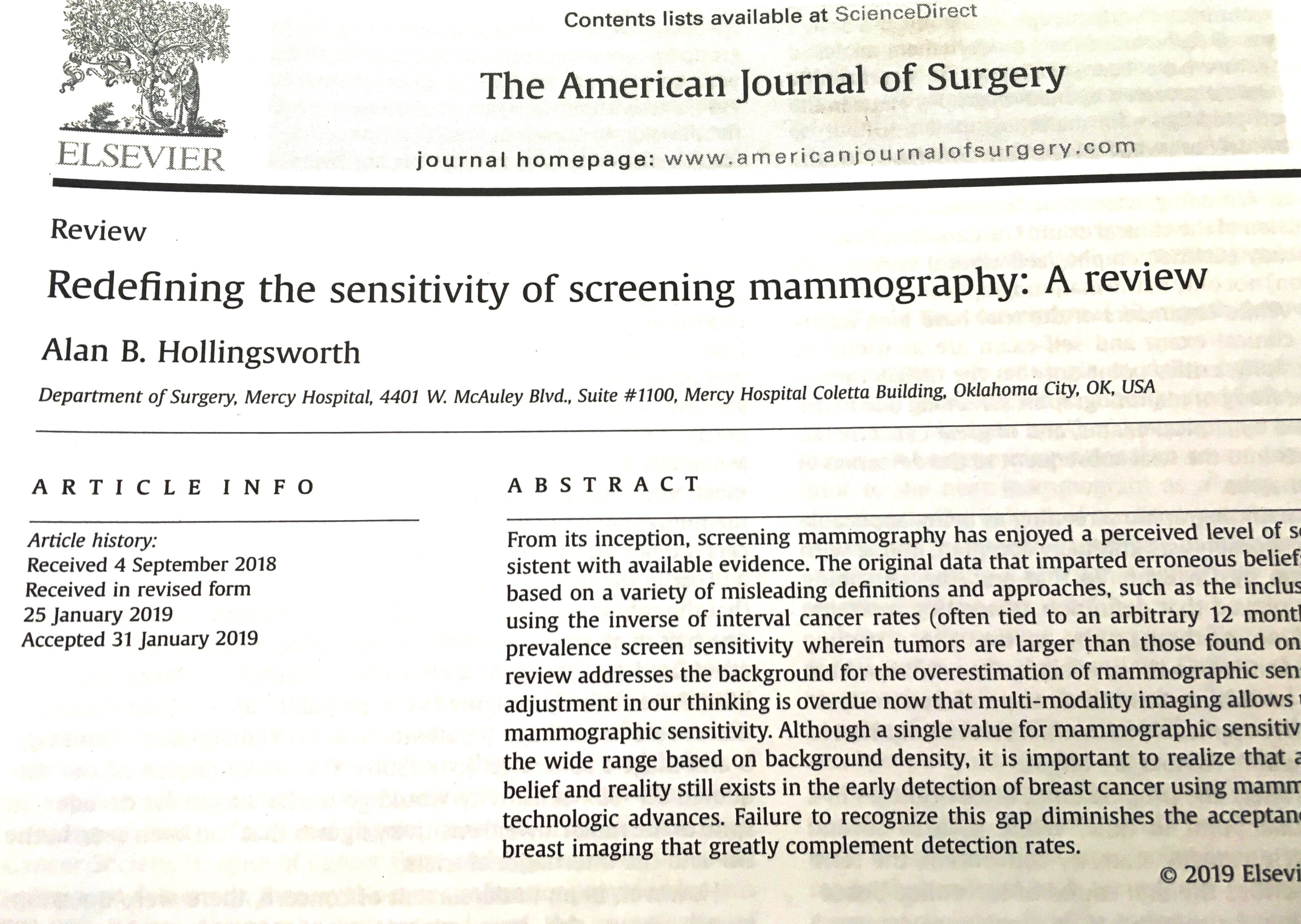
PS — I’ve been singing this same song for so many years it’s really sort of pitiful. But I did get all my thoughts collected in a magnum opus and published in the American Journal of Surgery recently. Here’s the pub med link to the abstract https://www.ncbi.nlm.nih.gov/pubmed/30739738 or you can write me for a copy.


The Plight of the Genetic Counselor in Cancer Predisposition Testing

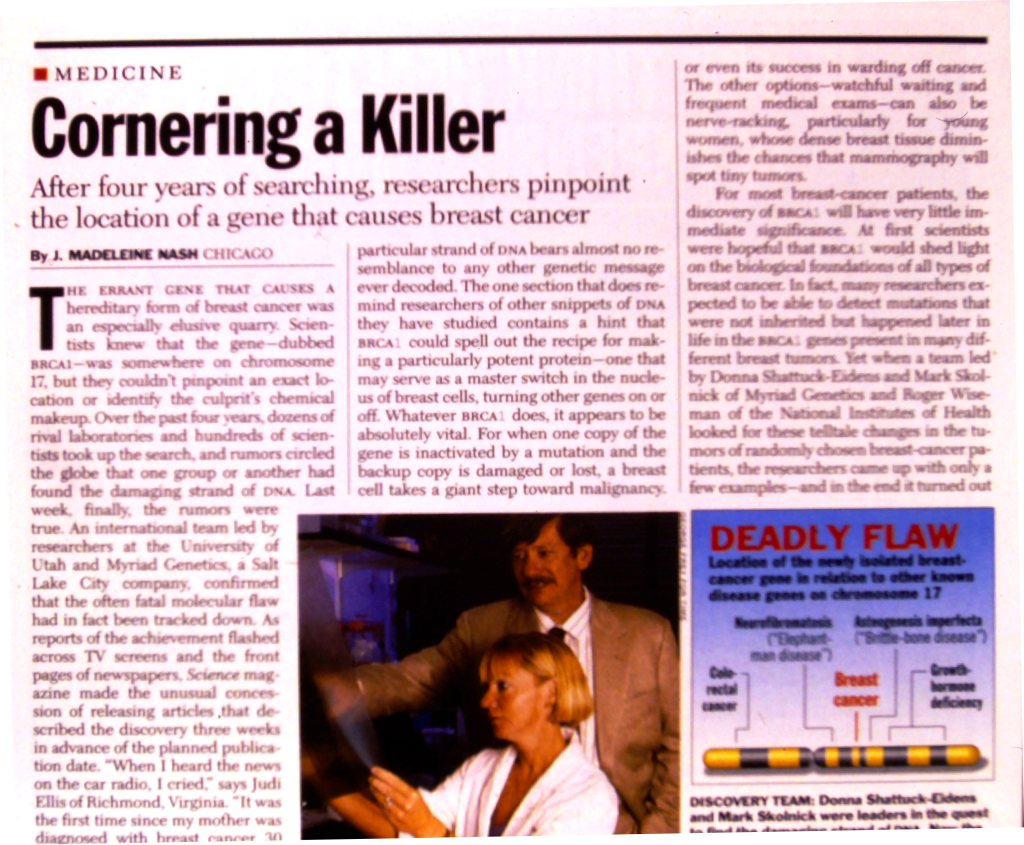
Skolnick TIME mag

Masters prepared.  Board Certified.  Most states now declare genetic counselors as independent providers.  But billing for services?  That’s another matter.  Even though there is a code for genetic counseling, it doesn’t work well when it comes to reimbursement for the genetic counselor, and for CMS, it doesn’t work at all.  So, what is the motivation to hire a board-certified genetic counselor into an oncology program when other “providers” with little or no training will be reimbursed well in excess of the genetic counselor.  In this era where money drives everything, the answer is “there’s not much motivation at all to hire a genetic counselor.”  It’s a sad testimony that when it comes to this niche, hospitals happily endorse the “It’s Okay” mantra, a standard we see in a current TV advertising campaign.  Yes, “it’s okay” for anyone to utilize the cookbook of genetic testing (apologies to those providers who have made a concerted effort to self-educate here).

But now there is a new bill introduced in Congress to change all that.  Will it even make it out of committee?  It didn’t make it out last year when a similar bill was introduced and died.  And with the current chaos in Washington, D.C., it’s hard to imagine it will get any attention this year either.  Nevertheless, here’s an article that came out in June of this year, making the announcement about H.R. 3235… 

Genetic Counseling Medicare Payment Bill Introduced in Congress

NEW YORK (GenomeWeb) – A bill granting the US Centers for Medicare & Medicaid Services the authority to recognize certified genetic counselors as healthcare providers and reimburse them for their services was introduced in the US Congress last week.

Currently, CMS doesn’t recognize genetic counselors as healthcare providers, and H.R. 3235, the “Access to Genetic Counselor Services Act of 2019,” would require that genetic counselors be reimbursed for counseling Medicare beneficiaries in the same way these services are covered when provided by a physician.

“Certified genetic counselors are not currently recognized by CMS even though genetic counseling is a covered benefit under Medicare,” and this limits Medicare beneficiaries’ access to trained healthcare professionals who have a master’s degree in genetic counseling, the National Society of Genetic Counselors said in a statement.

The bill was sponsored by Representatives Dave Loebsack (D-IA) and Mike Kelly (R-PA), and the NSGC worked with the legislators on the bill. This issue has been a priority for the genetic counselors’ group for well over a decade, and last year the NSGC was successful in getting a bill introduced for the first time in the 115th Congress, co-sponsored by Loebsack and Representative Erik Paulsen (R-Minn.).

“CMS recognition has been a priority for our organization because the services genetic counselors provide can have a huge impact on the health of individuals and their families, especially as both the benefits of personalized medicine and complexities of genetic testing are expanding,” Amy Sturm, NSGC president, said in a statement.

The society has tried to make the case that expanding access to genetic counselors makes good economic sense for CMS and commissioned healthcare consulting firm Dobson, DaVanzo & Associates to conduct an analysis. The study, which relied on interviews, published data, and a claims analysis, projected $4 billion in potential Medicare savings over a decade if certified genetic counselors were to help patients and physicians order the right genetic tests. Moreover, when genetic counselors provide such services, they are reimbursed at 85 percent of the fee that physicians get for the same services, which could lead to potential Medicare savings of $50.7 million over a decade.

With an estimated 14 new genetic tests entering the market daily, CMS has been concerned about its growing spending in this sector and about inappropriate utilization. “Adding genetic counselors as qualified Medicare providers is an important link in achieving optimal health system performance,” Sturm said.

October – How Did Breast Cancer Awareness and Halloween Get Paired in the Same Month?

How did we end up with October as Breast Cancer Awareness Month?

Mammography schedules are jammed in October. It’s hard to work in the callbacks and biopsies. Everyone is pressured to get it done before the looming Holiday Season. And if we find cancer, it spoils that festive stretch from Thanksgiving to Christmas, Hanukkah, or whatever through New Years…not to mention the fact that deductibles were met at the time of the mammographic screening, but then in January it starts over again as cancer care continues. Ugh! How did we ever get here?

Prior to 1980, there were no pink ribbons, no races, no walks. There was very little awareness and breast cancer was not discussed in polite society. The fact that Shirley Temple Black (breast cancer in 1972), Betty Ford (1974) and Happy Rockefeller (diagnosed 2 weeks after Ford in 1974) made their diagnoses public was shocking (and trailblazing). And when the Susan Komen Foundation was established in 1982, newspapers resisted using the words “breast cancer.” As late as 1993 when we opened our doors at the University of Oklahoma Institute for Breast Health, there were complaints about our signage with its “irreverent” word BREAST plastered right there in public.

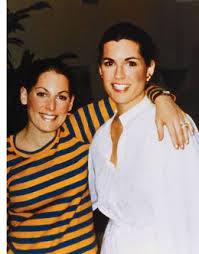
Let’s go back to the 1940s when Susan and Nancy Goodman were sisters growing up in a well-to-do Jewish family in Peoria, Illinois. Who could have conceived of the notion that both girls carried a mutation in BRCA-1 that would lead to breast cancer in the both of them? After all, it would be more than 50 years before the launch of commercial testing of BRCA-1 and BRCA-2.

susan komen and nancy brinker

Susan grew up to be the “darling of Peoria,” a beauty queen and local model. She would enter a disastrous first marriage (groom collapsed at the wedding for starters), followed by a second marriage to Stan Komen who would run a liquor store – Stan’s Wine and Spirits – in Peoria until his retirement in 2014.

At age 33, Susan felt a breast lump. Not a good thing in 1977, on the eve of a revolution about to occur in the management of breast cancer. 1977 was, however, the peak time of enthusiasm for “subcutaneous mastectomies” with the newfangled breast implants for reconstruction…sometimes patient-driven, sometimes surgeon-driven and sometimes both. Pain, cysts, “fibrocystic disease,” you name it, then cough up the money, and surgeons would perform the “scoop out” procedure with implant reconstruction. Some women were very happy with their result. Many were not. And for some, considerable amounts of breast tissue remained in place. Nevertheless, no one at the time conceived of using the procedure for treating cancer — except for Susan’s surgeon who had been recommended by her family physician in Peoria.

After performing subcutaneous mastectomy for Susan’s cancer, the surgeon pronounced her cancer-free, a tad premature since she developed positive nodes shortly thereafter and systemic metastases as well. After treatment at both the Mayo Clinic and M. D. Anderson, she was still left with chest wall recurrences and died 3 years later in 1980 at the age of 36. Given the aggressiveness of this tumor, it is hard to lay blame on the unusual subcutaneous approach used for local control, but it is noteworthy nonetheless.

Meanwhile, younger sister Nancy had moved to Dallas where she became a buyer for Neiman Marcus, and then, in 1981, she became the bride of Norman Brinker, the restaurant magnate who founded Steak and Ale, et al, (now Brinker International) and is credited with the development of that omnipresent dining staple – the salad bar. With her new financial stature and a deathbed promise to her sister Susan, Nancy Brinker founded the Susan G. Komen Breast Cancer Foundation in 1982, a mere 2 years after Susan’s death. The foundation became intimately linked to Dallas as a result of Nancy’s new home, not Susan’s home in Peoria (although Peoria did become a site for a “Komen Breast Center,” a nationwide network concept of screening centers that never happened.)

The first Race for the Cure took place in Dallas, Texas with 800 participants in 1983. The rest is history. I attended the first race in Oklahoma City (1989, as I recall) where participants ran around the racing track at Remington Park. Pink ribbons were not introduced until 1991, and though several groups lay claim to the pink revolution, I’m pretty sure it was a Komen innovation.

One year after that first Race for the Cure, Nancy Brinker was diagnosed with breast cancer. She underwent unilateral mastectomy and later contralateral prevention, even though her BRCA-1 mutation was not confirmed until 2006.

Initially, the sole agenda for Komen was to flood the country with high quality screening mammography. This drew some objections, including one prominent breast surgeon who broke ranks with the movement by clarifying that mammography is not a “cure,” and that we needed to be thinking more about a true cure and a “post-mammographic era.” Eventually, Komen expanded its scope to all types of breast cancer research.

Nevertheless, the growth of the Race for the Cure was phenomenal, taking place in a parallel fashion to the breast cancer diagnosis and treatment revolution that was well underway. It is estimated that, today, over 1.5 million participants raise money through one of several outreach programs sponsored by Susan G. Komen (several name changes of the foundation have occurred over the years, but Susan’s name is always there). Politics, of course, wormed its way into the activities of Susan G. Komen and eventually Nancy Brinker resigned as CEO.

Back to Breast Cancer Awareness in the spooky month of October. Around 1985 or 1986, the American Cancer Society teamed up with a pharmaceutical company that later became Zeneca, then AstraZeneca, announcing October as National Breast Cancer Awareness month. Zeneca was criticized for self-serving interest since they manufactured pharmaceuticals used for breast cancer. But they had, in fact, done their own internal audit on employees, showing that it was cheaper to screen with mammograms for an early diagnosis than to do nothing and pay for treatment of more advanced disease.

At this same time, the famous (or infamous) Breast Cancer Detection Demonstration Project was reporting results indicating that massive screening of the general population in the U.S. was both feasible and effective. The BCDDP was sponsored by the American Cancer Society and the National Cancer Institute, both organizations riding the waves of the War on Cancer legislation signed by President Nixon in 1971. So, by the mid-80s, the policy makers were wildly enthusiastic about general population screening with mammography, and it was a case of “full steam ahead.”

Still…why October?

I’ve not been able to nail down the definitive reason for selecting October as Breast Cancer Awareness Month, but I have a theory. Even though I can’t find the link between the rapid rise of the Susan G. Komen Foundation and the proclamation made by the American Cancer Society, I think the answer might be found by looking at Susan Goodman Komen’s birthday – she was born on October 31, 1943. She would have been 76 this coming Halloween.


Variants of Uncertain Significance – RNA to the Rescue

Nothing has plagued genetic testing for cancer predisposition more than the Variant of Uncertain Significance (VUS). After 23 years since BRCA testing became commercially available, surveys continue to reveal misinformation surrounding the VUS and/or how often the VUS is explained to patients incorrectly. Consider, too, that patients are much more likely to harbor a VUS than a pathogenic variant (a.k.a. deleterious mutation), so it’s anything but a rare occurrence.

Then, just when we thought Myriad had worked out the majority of VUS issues surrounding BRCA-1 and BRCA-2 testing, Next Generation Sequencing hit the clinic in 2013, and we were doing multi-gene panels, with VUS rates as high as 40%. “Plan on it,” we began telling our patients.

Out of frustration that clinicians were not “getting it” when it came to the VUS, word was issued from on high to simplify things – that is, consider the VUS as a “negative” result. Or, “clinically negative.” Or, more realistically: “No clinically actionable results, so don’t change your plans with the proband and don’t test unaffected relatives. And, stay tuned for updates.”

But if you do enough testing, and if you get a little too comfy with the VUS, you’ll get burned by thinking they’re all going to be negative. Yes, the vast majority of updates later on from the testing laboratory will be downgrades to benign polymorphisms, but every now and then, you’ll get an upgrade to “likely pathogenic” or “pathogenic” status.

It’s easier to dismiss the VUS when it occurs in one of those genes that barely made the A-list in the first place. When dealing with these “lesser” genes, it’s not unusual for unaffected patients to carry a higher risk for breast cancer using standard risk models than the risk imparted by “gene-positivity.”

But what about the VUS that occurs in a modest-risk or high-risk gene? This is where I rely on a genetics team that analyzes every VUS. With a medical geneticist (Marsha Pratt, MD), board-certified genetic counselor (Kate Small, MS, LCGC), and nurse practitioner (Jennifer Lee, APRN-CNP), our policy is to review the evidence for calling a variant as having uncertain significance when it involves a major gene. And what an eye-opener it is when we go to one of the various resources like ClinVar and discover that most labs call the same variant “likely pathogenic” instead of a VUS. Indeed, it is not unusual for 10 different sources to be completely split – half calling a VUS, while the other half call the same variant “likely pathogenic.” Determining whether a variant is significant or not is exceedingly complex, and it’s not only the patient who is often bewildered but also the testing lab and clinical staff.

New development – Another layer is being added to the process of working out the clinical impact of the VUS – RNA sequencing. By analyzing (post-transcription) RNA, one can more accurately separate the wheat from the chaff. More assurance will be offered that today’s VUS can be managed as a “negative” (you likely won’t know that RNA made the difference unless you read the fine print). That said, some patients currently being labeled as having a VUS will be classified as “likely pathogenic” or “pathogenic.” RNA testing works both ways – today’s VUS could be tomorrow’s deleterious mutation.

So, what about the thousands of patients we’ve tested over the years? Will we need to go back and re-test everyone who had a VUS? We did it when BART was introduced for rare rearrangements in the BRCA genes, then again with multi-gene panels, so that many of my long-term patients have undergone 3 genetic tests over the years.

As for the impact of RNA testing, we’ll need to watch for some guidelines here when it comes to those patients who completed testing in the past. It might be that only certain VUS results in the more powerful genes will need to be re-analyzed. Will we be rummaging through 23 years of records? What about those patients with a VUS that needs re-evaluation who have been lost to follow-up?

In the meantime, it is unsettling to see how many of the VUS cases are actually pathogenic upon RNA testing, after we’ve been telling patients for years that: “Your result shows a variant of uncertain significance, which is essentially negative, from a practical standpoint, that is, I mean, it could be altered in the future, but for now, well, we don’t do anything differently, and your kids or siblings do not need to be tested, so you can rest easy and just because I’m rambling doesn’t make the VUS any more suspicious than we think it is, which is, of course…essentially negative.”

Myriad Genetics has been chipping away at the VUS problem in the two BRCA genes since Day One in 1996. So, when Next Gen Sequencing (and a Supreme Court decision) opened the door to testing multiple genes in multiple labs, everyone pooled their data in order to address the VUS rate in the many genes being tested. Myriad was not so pleased about 20 years of labor being tossed out the window into the laps of their competitors, so they held their VUS cards close to the chest and did not share their massive database for BRCA1 and BRCA2. But the other labs began pooling BRCA data right away, culminating in the “BRCA Exchange,” announced January 2019 and partly funded by the NCI. The BRCA exchange is composed of information from existing databases (Breast Information Core, ClinVar, and the Leiden Open Variation Database), as well as population databases from clinicians, clinical laboratories, and researchers worldwide. At last count, the BRCA Exchange addressed 20,000 unique variants in comparison to Myriad’s claim of data on 17,000 variants. I’m not sure anyone knows to what degree there is overlap.

Despite all this refining effort, our geneticist, Dr. Marsha Pratt, presented a case a few weeks ago where a BRCA-2 VUS (confirmed as such by all sources) tracked perfectly with early-onset breast cancers and ovarian cancers in a family. Ordinarily, one would have stopped testing the family after the first affected patient tested “negative” in the form of a VUS. But Dr. Pratt was very much aware of the vagaries of labeling a VUS, so she tested another affected family member, then another and another, while at the same time, testing the older family members who had escaped a diagnosis of cancer. The so-called VUS tracked perfectly with the ovarian and early-onset breast cancer patients. After she notified the testing laboratory, this rare VUS was shifted immediately into the “pathogenic” classification, based on this one family. Ergo, the VUS problem is alive and well, 23 years after the start date for commercial testing, even in the “old” BRCA genes. Before this family came to see us, patients with this variant were called VUS and treated as “negative.” From now on, the identical variant will be called “likely pathogenic,” a world of difference.

In light of cases like this, what about the longstanding effort to train clinicians to stop over-reacting to the VUS designation, to the point that many of us can become comfortably dismissive? I don’t know the answer. All I can say is the VUS is a lurking enemy that still must be dealt with, and it’s one of the reasons I prefer working with a team of genetics specialists. (Another reason is that this team handles all tumor predispositions, not just breast cancer.) RNA sequencing won’t get rid of the VUS problem entirely, but it’s a huge step in the right direction.

POINT OF POSSIBLE INTEREST: What’s a former breast surgeon doing in this genetics space anyway? Well, the groundwork was laid when I witnessed a BRCA-positive disclosure in the research setting of linkage analysis circa 1991. I was struck by the fact that the young woman’s questions were 100% breast-related (screening, preventive mastectomies, reconstruction), and the PhD geneticist could not provide answers. I realized at that moment that genetic testing for adult-onset cancers was going to be another situation where interdisciplinary care would be critical.

Then, in 1994, two years before genetic testing began, I served as host to visiting professor Mark Skolnick, PhD who had just sequenced the BRCA-1 gene in an exciting (and controversial) race involving 12 different teams. Coverage in newspapers and magazines (TIME pic below) had generated celebrity status for Dr. Skolnick and hope for all. For all we knew at the time, the BRCA-1 gene might explain the majority of breast cancers, with or without family history (turns out, it did not).

Will Rogers -- 1995 -- Skolnick visits

During his 2-day stay in OKC, he discussed the new company he was starting called Myriad Genetics, predicting that someday testing would be so commonplace that it would be part of routine primary care. It seemed to me that clinicians were going to have to follow developments here very closely, and I was skeptical that genetic testing would become simplified to the point that it would be “just another blood test.”

At the time, I held an endowed chair at my alma mater, and I requested the formation of a task force to study the implications of genetic-based medicine. There was no response from the university hierarchy (all the way to the top), so I obtained a $100K grant from the local Presbyterian Health Foundation that allowed me to send a nurse to Fox Chase for special training as well as meeting all the requirements of excellence in genetic testing as outlined by several genetics organizations and the American Cancer Society.

When Day One came in 1996, launching this new era in medicine, I drew first blood as the only physician in Oklahoma listed on the Good Housekeeping Seal of Approval that was published by the American Cancer Society. The research geneticist, a PhD in Tulsa, was also on the list, so there were two approved sites in Oklahoma for BRCA testing. Those early years were wild and woolly (anonymous testing, high level of fear and distrust, etc.), but to watch the progress in this arena has been a rewarding experience.

It’s Hard to Get Your Gluteus Magnum Opus in Gear Sometimes

Thirty years ago, I limited my academic surgical practice to breast cancer, whereupon I made a strange observation. Granted, my experience was skewed by the referrals of younger women (with dense tissue) seeking Oklahoma’s only self-proclaimed, breast-dedicated surgeon at the time. Still, a large percentage of my newly diagnosed breast cancer patients had negative mammograms even though their tumors were palpable. At the same time, mammography was being widely promoted as having 90% sensitivity, although there was little or no distinction made as to whether the 90% applied to palpable or non-palpable cancers.

I became intrigued by the phenomenon of mammographically invisible breast cancer (few seemed to care at the time), and my first academic paper had nothing to do with surgery, but with these “invisible cancers.” (Establishing a Histologic Basis for False-Negative Mammograms. Am J Surg 1993; 166:643-647). For that paper, I reviewed the pathology of palpable, but mammographically invisible, cancers at the University of Oklahoma and found that nearly all had diffuse histology, ductal or lobular, that did not form a distinct mass. In preparing for publication of our findings, I had to write the introduction, which meant a literature search to get the ball rolling.

Unless you were publishing articles in the pre-Internet era, you can’t imagine the time it took to look up potential sources in the Index Medicus at the medical library, then manually retrieve each journal article by walking through the library, first finding the bound copies of the journal in question, then the article needed. On this particular question, I could not find the source of the oft-quoted 90% sensitivity for mammography. What appeared in my first breast cancer article was two weak references about mammographic sensitivity, just enough to get by. Many years would pass before I learned the shaky origins for the “90% sensitivity” for mammography.

But my interest was piqued. How do you know when you missed a cancer on mammography when there’s no way to double check? 12-month follow-up became the standard answer, but I found this problematic at many levels. Ultrasound was making its entrance around this time, but only to distinguish cyst from solid. Several more years would pass before benign vs. malignant became possible. MRI was still a decade away, though Dr. Steve Harms was offering audiences at nearly every breast conference an advanced look at his images obtained using his RODEO MRI.™ In case after case, he showed us pictures and narrated: “Here’s the cancer on MRI; here’s the negative mammogram.” My faith in mammographic sensitivity fell even further.

In essence, I took up a “hobby” in the form of reading everything I could about mammographic sensitivity. Over time, it became more of an obsession as I gradually put the pieces together and realized that sensitivity of screening mammography (non-palpable cancers) had been wildly overstated, most notably in women with dense breasts. At the time, few were paying attention to the dense breast issue, and my 35mm slide presentations and later Powerpoint, always included the joking reference to Rodney Dangerfield, in that breast density was simply “not getting any respect,” despite its major implications with regard to sensitivity (and secondarily, risk).

This gradual understanding of true mammographic sensitivity altered the course of my career, as I left breast surgery when breast MRI became commercially available (2003) and became a quasi-pseudo breast radiologist (“theory of…” as opposed to interpretations), focused on studying the benefits of supplemental imaging with ultrasound and/or MRI (with other methodologies in the works).

Resistance to multi-modality imaging has been powerful. And one of the primary reasons that supplemental imaging of any type is met with resistance is the false idol of mammographic sensitivity. Shortly after the introduction of MRI, Dr. Harms led CME efforts around the country, and he asked me to serve as the token surgeon where I warmed up the audience with my “90% thing,” (including Rodney Dangerfield) where I systematically destroyed the false belief that mammograms have strong sensitivity.

It’s a hard pill for radiologists to swallow, as they’ve been touting 90% for nearly 40 years. But they are caught in a bind now that we have multiple imaging methods that find double or triple the number of cancers found on mammography, rendering the 90% sensitivity for mammography impossible (except in Level A density patients). But once one admits to the deficiencies of mammography, especially in the dense breast, a whole new world of possibilities opens up with currently available imaging methods, as well as new technologies on the horizon.

So now, returning 26 years later to the same journal (Am J Surg) where I got my start on this singular question…here’s my Magnum Opus as presented via the Breast Care Network web site (where there’s another link to the actual article):

https://www.breastcarenetwork.com/news/redefining-the-sensitivity-of-screening-mammography-a-review

A Blood Test for Breast Cancer Screening — It’s Harder Than You’d Think

1991. I’d just returned from a breast conference in Dallas where a young radiologist, Steve Harms, MD, creator of “RODEO MRI” for the breast, was the showstopper with images of breast cancer that were invisible on mammography. Over and over and over, the narrative was the same: “Here’s the cancer on MRI, and here’s the negative mammogram.” (We were still 10 years away from commercialization of breast MRI at the time.)

steve harms

Once back in OKC, I walked into my Friday morning research group at OU (a multidisciplinary team I’d assembled, looking for a purpose), and one of the senior scientists at the Oklahoma Medical Research Foundation, Dr. Paul McKay, showed me an article proposing a blood test to detect early breast cancer (not the old tumor markers for advanced disease). He asked, “Do you see any potential for this?” At the time, I was preparing my first academic paper on why cancers were being missed on mammography (more often than was being alleged), while still reeling from the MRI presentation I’d seen in Dallas.

When I looked at the title of the article, the proverbial light bulb flickered above my head – “Yes, you could use a blood test to select patients for MRI screening.” 28 years later, I’m saying the exact same thing, while extending such a test for other purposes as well: 1) women with dense tissue on mammography who need a prompt to undergo ultrasound, 2) women who opt out of routine mammography, 3) women under 40 who don’t qualify for high-risk screening, and 4) women in countries without a screening infrastructure. In all these cases, a positive blood test would prompt a diagnostic work-up with breast imaging. It all sounds great, but when it comes to developing a blood test for early breast cancer, It’s Harder Than You’d Think.

Dr. McKay and I sponsored the “inventor” of the blood test, Chaya Moroz, PhD, on a trip to the U.S. (from Petah-Tikva, Israel) in 1993, and we wined and dined her in Oklahoma City, an obscure place she’d never heard of until I contacted her.
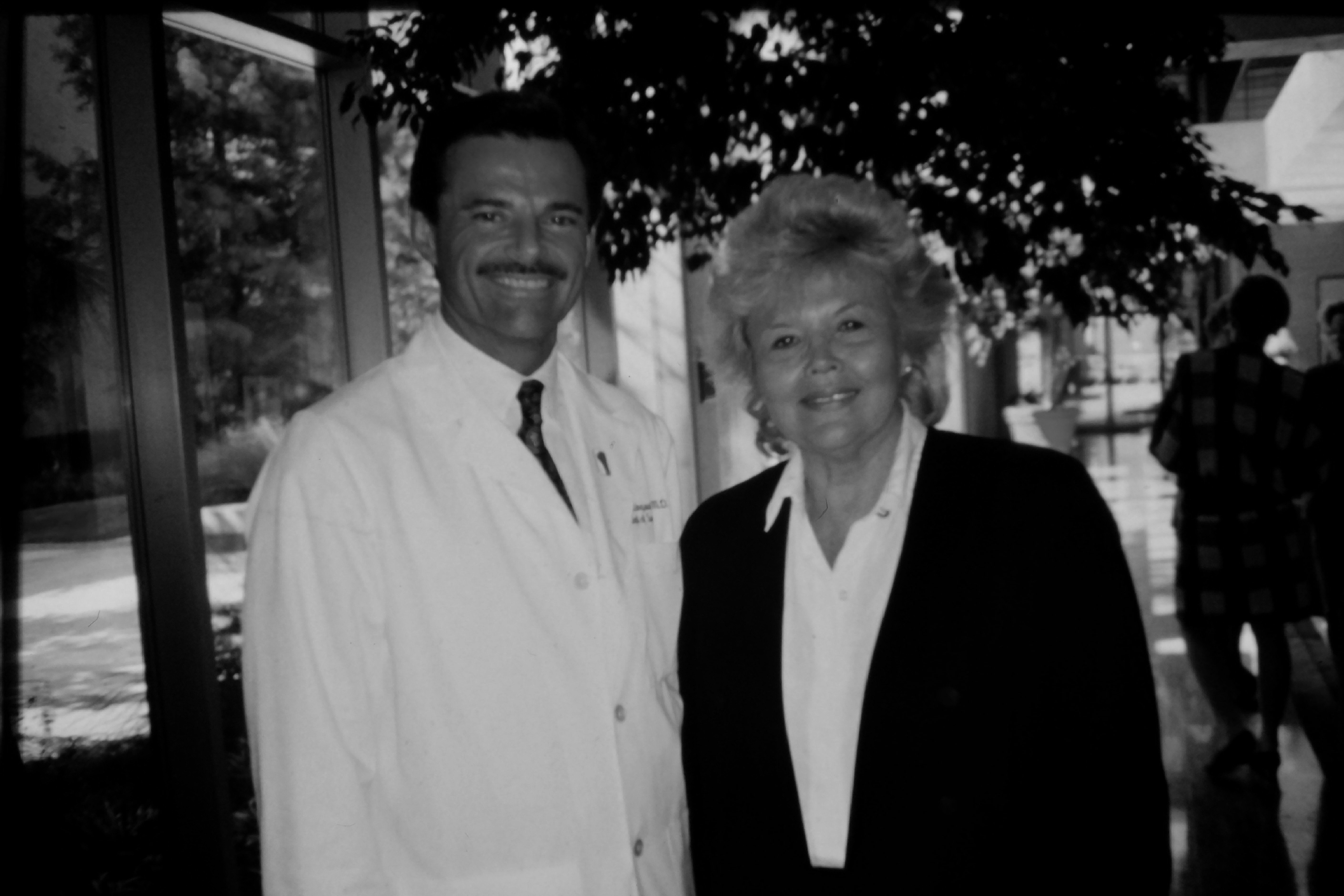
with Dr. Chaya Moroz 1st blood test hope at OMRF

One-half of her expenses were covered by the Oklahoma Medical Research Foundation, while the other half was covered by a small army of Oklahoma fund-raisers I had as supporters back in the day.

Party at OMRF for Dr. Moroz blood testing

Not long after her visit, I was invited by Dr. Chaya Moroz, developer of the test, to travel to New York to meet with the largest intellectual property firm in the world (or so they said), Penny & Edmonds. Founded in 1883, Penny & Edmonds included 100 or so lawyers, nearly all of them holding advanced degrees in science and technology.

A limo picked me up at the airport and took me to the top floor of a Manhattan skyscraper where I walked into a board room full of attorneys who were gathered to discuss the various aspects of a breast cancer blood test. (Remember — this was 30 years ago!) There was only one other medical clinician in the room with me – Gerald Dodd, MD, an icon from MD Anderson who had been instrumental in the introduction of mammography to the U.S. Dr. Dodd was once President of the American College of Radiology, then served as Chairman of the Board of the ACR.

gerald dodd, md

The chair of the meeting at Penny and Edmonds was an individual I’d be working with for the next 7 years – Leslie Misrock, a senior partner, and the first name listed on the firm’s stationery.
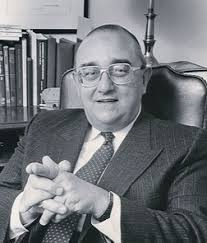
Leslie Misrock

Needless to say, with a touch of megalomania, I was ready to revolutionize breast cancer screening after a mere two years in academics. Once MRI became available, a blood test would direct us when to use this highly sensitive tool for breast cancer detection. This blood test would be available to all women, not a limited high-risk group (like we currently do in selecting patients for MRI screening, wherein the majority of potential beneficiaries of MRI are excluded).

Long story short. Everything fell through in the end. Later, Leslie Misrock died of his prostate cancer in 2001 after 27 years of battling the disease, and the 120-year-old law firm of Penny & Edmonds was dissolved in 2003.

Oh yes, I should mention that we never actually tested anyone. That’s right. Realizing the explosive potential of such a test, we were completely bogged down by securing funding, starting a biotechnology company and assuring patent protection (that’s “patent,” not “patient”). We worked long (7 years) and hard on everything except validating the test. After all, the bar of evidence was set much lower back then. And, Dr. Moroz, developer of the test, in aligning her discovery with Penny & Edmonds, reminded everyone up front that her test needed “a little more work.” (Dr. Moroz is still active as a professor of immunology at Tel Aviv University.)

Lesson learned. Validate the test first.

At the same time that MRI was introduced to mainstream breast medicine, I began the arduous process of storing blood samples from women who had undergone breast MRI, under an IRB-approved protocol. The Internet was relatively new, and at first, I sought out collaborators online. However, once word got out that I had samples with a database linked to MRI results, I no longer had to seek opportunities. I’ve now shared information with 30 or so groups, sent 10,000 aliquots to 9 different groups, served on 3 Scientific Advisory Boards, and am currently ramping up for my 3rd formal prospective clinical trial.

And yet, we’re not much further along than when we flew Dr. Moroz from Tel Aviv to Oklahoma City 28 years ago. Why is it so hard?

A “blood test” could be used in several ways. Of course, the old tumor markers like CA27-29 were designed for detecting metastatic disease. As it turns out, one of the first problems we encountered is that the markers for early disease are likely to be different than advanced disease.

Yes, a single marker for early disease would be nice (yet, look at the confusion surrounding PSA for prostate cancer after many years). My hope here was dashed when the NMP66 (nuclear matrix protein) test failed in a clinical trial in the early 2000s.

Adding more complexity, it can be assumed that the different biologic types of cancer are going to generate different biomarker profiles, making it very difficult to develop a single test for Luminal A, Luminal B, HER2-positive, triple negative, etc.

Dr. Laura Esserman has suggested that we focus right away on a blood test for the more aggressive types of cancer, and leave the indolent types alone, to be discovered by screening mammography or by palpation. I won’t venture a guess as to whether or not this more exclusive target will be reached before or after a “general” breast cancer blood test has been developed.

Whenever a “blood test for breast cancer” is mentioned, many conceive of its use based on the challenges unique to one’s specialty. The medical oncologist is likely to consider a blood test for long-term follow-up purposes (like the old markers). Or, biomarkers in the blood might even take on a predictive component, helping to guide therapy. Meanwhile, the radiologists might consider a test with a strong NPV to be of invaluable help, allowing them to choose short interval follow-up rather than biopsy. But my intent is still the same – to select patients for supplemental imaging (MRI or ultrasound) in the screening setting. It would be especially helpful if the performance characteristics of the blood test hold up through all levels of breast density.

The basic tenet from which I operate is simple – early detection saves lives, as proven in the screening mammography trials, and it does so with relatively low sensitivity (less than 50% when compared head-to-head with MRI). That is, mammograms miss more cancers than we appreciated in the past, yet still reduce breast cancer mortality rates in clinical trials. If we are finding only half of detectable cancers with mammography (ignoring the nice boost with 3-D), then imagine what we’d do if we found the other half. It’s conceivable we could double the impact of current screening methodologies.

Some critics like to point out, “We don’t really need earlier detection, where we’ll only make overdiagnosis worse.” I agree, but that’s a different question. Ultrasound screening does not find cancers “earlier,” that is, smaller tumor size. It finds the camouflaged cancers missed on dense mammograms. Adding ultrasound to mammography in dense breasts “ought” to lower mortality more than mammograms alone, but this will have to be proven in prospective RCTs, just as the impact of a blood test in selecting patients for US (or MRI) will eventually have to be proven in RCTs.

Supplemental breast MRI is a bit more complicated when predicting mortality reductions as this modality has two effects: 1) finding cancers lost in a dense background, much like ultrasound, and 2) lowering the threshold of detection, such that you see “next year’s cancers” on this year’s MRI. This earlier detection (#2) might not be as important as #1, but my beef is that critics love to treat the benefit of MRI as entirely due to #2, i.e., “earlier.” In reality, it’s a combination. We know there’s a benefit to finding cancers in the 1.0 to 1.5cm range on screening studies, which is actually the majority of cancers found on screening MRI.

Ergo, mortality rates will likely be decreased accordingly, and a blood test will facilitate the process of patient selection for maximal cost-effectiveness. But despite these various approaches, the only proven screening method that confirms a mortality reduction is mammography, so the U.S. Preventive Services Task Force et al don’t even want to hear about our theoretical benefits, without a prospective RCT.

Those answers won’t emerge for another 20-30 years, so in the meantime, we could use some help, based on rational thought, a scary precept for the pure empiricist. Yet, it might surprise you to know that there are some screening experts in epidemiology who admit that the only acceptable surrogate for improved mortality reduction is the Sensitivity of the screening tool, an endpoint vastly more accessible and practical than 20- and 30-year studies of screening (and, in 30 years, we might not need to screen at all, if cures for metastatic disease become the norm).

Consider this – a perfect blood test (100% sensitivity/100% specificity) would pre-empt radiologic screening entirely. You’d only undergo breast imaging if the test were positive. We’re not going to see that anytime soon, however. Instead, we’re going to be dealing with lower accuracy, but perhaps enough to select patients for supplemental imaging. And, perhaps enough accuracy to use in women under 40 who are not being screened at all.

No one – in spite of some bold claims – has a test with reliable performance characteristics, ready for general use in the detection of early stage breast cancer. Yes, there’s a great deal of excitement about “liquid biopsies” (technically, this term applies only to cell-free DNA) and other tests, so the question remains: “How Good is Good Enough?”

As part of the discussion, you’ll hear that Specificity is more important, then you’ll hear that Sensitivity is more important, or you’ll hear the only thing we need to know is NPV (negative predictive value, which is another reflection of sensitivity). Although there is no confirmed data yet indicating a useable test, I took the liberty of writing a “what if” editorial on the subject, to demonstrate how a blood test would be incorporated into existing algorithms. You can access that article HERE: https://forum.breastcarenetwork.com/wp-content/uploads/2019/06/The-Breast-Journal-BLOOD-TESTING-final-copy-2019.pdf

In short, good specificity “rules in” supplemental imaging in patients who are relying entirely on mammography. Alternatively, good sensitivity “rules out” supplemental imaging in patients who are already utilizing breast MRI (or ultrasound) for screening where MRIs could be done less frequently with strong NPV. My article goes on to demonstrate how a relatively low accuracy can still do a better job of cost-effective patient selection than what we are currently doing now with risk stratification and density as our guides.

Great enthusiasm exists for the “liquid biopsy” technique being used in the GRAIL trial for multiple cancer types. So far, however, it looks like good specificity, but not-so-good sensitivity for cfDNA in breast cancer. This puts one in the position of missing a breast cancer on both mammography and a “liquid biopsy.” The money and power and prestige of star-studded supporters of GRAIL will be capturing headlines for years to come, even more so with the launch of STRIVE, focused on breast cancer (120,000 blood samples is the goal). But in evaluating their results, we’ll be hearing mostly about Specificity. We might have to read between the lines on Sensitivity – not just a percentage, but these 2 items as well: 1) what is the stage and biology of those tumors identified?….and 2) how will they know when cancer has been missed? (this being the great bugaboo when it comes to measuring Sensitivity, and the reason for the inflated Sensitivity that has been attributed to mammography for 40 years).

Handling raw data from blood test research is a formidable task. Each biomarker used in the algorithm has its own range of normal, rather than a dichotomy of positive vs. negative. Thus, minimal tweaking can change outcomes for each individual marker being studied, and then neural networks combine 8 or so tweaked biomarkers into a binary outcome – “positive” vs. “negative.”

I once tabulated performance characteristics for 6 different models used for each participant in a clinical trial of blood testing. Of course, one model had excellent specificity (but very low sensitivity) while another model had excellent sensitivity (but unacceptably low specificity). The other 4 models were somewhere in between. One proposal to overcome this problem is to create a “Score,” like Oncotype DX, then dump the problem back in the clinician’s lap, with guidance as to the probability of an underlying cancer. Most are going to prefer a binary outcome, but it might not be practical with circulating biomarkers. And this will be a factor that might give “liquid biopsies” with cfDNA the edge. Sensitivity might be only so-so, but the presence of cfDNA specific for breast cancer might give a more definitive test result, that is, a binary outcome.

But that’s not where the confusion ends. The performance characteristics in a blood test – sensitivity, specificity, accuracy, NPV and PPV — have to be merged with the characteristics found in our 3 primary methods of breast imaging. And for mammograms especially, the performance characteristics are highly dependent upon breast density. So, you have to combine blood test performance to that of mammography, or mammography combined with US, or mammography plus MRI, or merging blood test performance with US or MRI alone.

The questions don’t end there. How do you classify DCIS? Cancer or not? (My solution is that you must generate DCIS-specific data.) Do you even want to find subclinical DCIS? And what about the borderline results in those patients with significant proliferative disease? Should certain patients be excluded from blood testing due to florid or atypical hyperplasia, which tends to give blurry results on blood testing? What if the sensitivity of a blood test is so good that the breast cancer is not yet seen even on MRI? In this case, the sensitivity will be underestimated as the patient will be called “cancer-no” even though an early cancer is present. And what if the test is reflective of increased future risk? In this case the blood test devolves to a risk assessment tool, which I call “the blood test graveyard.” The list goes on and on.

Pop sociologist Malcolm Gladwell has claimed that practicing a task for one hour, 10,000 times, is the difference between excellence and not-so-excellence. Well, my team spends one man-hour (actually a woman-hour) for each specimen of blood obtained in this line of research (consent form, blood draw, specimen processing, data entry and shipping). Yet, after 10,000 specimens (or hours) we’re no closer to a blood test than before. Bottom line: it’s harder than you think.

PS – My final shot at the moon (I’m getting too old for this) will hopefully begin later this year, with a company based in Alberta, Canada, (Syantra) for whom we’ve been sending samples for the past year or so, while a prospective, blinded trial is in the works. Preliminary results look good, so fingers crossed.  Hope springs eternal.

ADDENDUM — December 2022

At the time of this writing (3 1/2 years after the above), the results with the blood test from Syantra are very promising, and the test is now available on a limited basis in Canada.  If all goes well, I will be running a clinical trial in the U.S., the study site being a new breast center currently under construction in OKC, located at SW 89th and I-44. The “Premier Breast Health Institute of Oklahoma” will help determine if we can improve screening by properly selecting patients for additional imaging beyond mammography through the use of blood testing.

Below 40 You’re On Your Own

 Is there anything left to be said about the 40 vs. 45 vs. 50 debate when it comes to the starting age for screening mammography? Not really, but there are always new ways of representing the old. For instance, one could summarize the entire controversy by stating that those favoring age 40 are more concerned about women’s lives, while those endorsing age 50 are more concerned about cost-effective medicine.

This is a very old debate, by the way. Yes, the U.S. Preventive Services Task Force stirred the pot in 2009 with their position reversal – switching to 50 rather than their 2002 recommendation for age 40 – even though their meta-analysis of benefit (15% mortality reduction) was identical in 2002 and 2009. “Science,” they said. But in fact, they had merely orchestrated a new way of calculating the harms of screening. And then, for that final step – harms vs. benefits – there is no science at all. It is 100% subjective.

I have a 35mm slide from 30 years ago showing which organizations favor 40 vs. those that favor 50. Indeed, the debate was launched with the very first mammography screening trial in the 1960s – the Health Insurance Plan of Greater New York. Investigators made several errors in study design that put the 40-49 results into question. You can read the details of the HIP study in my book, Mammography and Early Breast Cancer Detection: How Screening Saves Lives (McFarland & Co., 2016) where I have done my best to tell the story of breast cancer screening as though I were writing a novel. As one reviewer correctly noted, “Many of the fun facts are in the Chapter Notes at the end” (even though I originally placed them within the narrative so that the reader didn’t have to flip back and forth).

But 40 vs. 50 is not what this blogatorial is about. I’m writing this month about women under 40. What do we offer them for early detection? The answer is: Prior to 2007, we offered absolutely nothing. They were disenfranchised. Self-exam is often touted, in spite of no evidence of efficacy in this age group. I keep a database on patients diagnosed at our breast center at Mercy—OKC, and one of the things I follow is “method of detection.” 95% of the time, if the patient is under 40, her diagnosis will be made by palpation, and the Stage will be II or worse.

In 2007, the American Cancer Society introduced high-risk screening with MRI as a recommendation if patients met certain criteria for elevated risk. Every bit as important as introducing supplemental MRI to mammography was the lowering of the age to begin screening from 40 to 30 (and later, age 25 with certain genetic predispositions).

But this option is greatly underutilized. Even though we have a busy risk assessment/genetic testing program at my facility, with many women undergoing early-age MRI screening, the overwhelming majority of breast cancers discovered in the under-40 group are through palpation. Sometimes, these patients would have qualified for high-risk MRI, but did not undergo risk assessment (for a variety of reasons). But most of the time, these young women develop breast cancer without substantial risk factors. They don’t meet the requirements for early-age screening.

In 2009, I was halfway finished writing a book on the “under 40 problem.” My premise was simple: “Now that we’ve settled on 40 as a starting age for routine screening mammography, here’s what we can do about women under 40.” But then came the U.S.P.S.T.F. move to age 50, and I was forced to start over writing a different book simply to support the status quo of age 40. This became the aforementioned book on screening, published in 2016.

In that book, I presented a diagram on breast cancer incidence per annum plotted by age. One can see that the incidence starts creeping up in the 20s and 30s, but the steep rise occurs in the decade of the 40s. It is this curve that prompted the inclusion of women in their 40s in the historical screening trials.

Incidence of BC from mammo book


I make the point in my book that if we start at age 50 rather than 40, we will exclude 20% of eventual breast cancer patients from an opportunity at early detection. Furthermore, the U.S.P.S.T.F. and others have suggested stopping screening at age 70-75, which will exclude another 25% of eventual breast cancer patients. And when you add the 5% of new cases under age 40, then the Task Force’s dream-come-true will be the exclusion of ONE-HALF of the eventual breast cancer patients from early detection.

And to think – I was writing a book about what to do with the neglected 5%!

To that end, by the way, I have several proposals for younger women, but the most intriguing option has always been blood testing that could prompt diagnostic imaging only if the blood test is positive. Today, everyone is a-buzz about “liquid biopsies” and the Grail Trial, etc., but my quest for the Holy Grail began in 1991 with the “placental ferritin assay” developed by Dr. Chaya Moroz in Israel. Nearly 30 years have passed since I began working with basic scientists to develop a screening blood test for breast cancer. 10,000 samples later, distributed worldwide, working with multiple entities, we still do not have an approved test (though we’re getting closer).

Such a test would provide an option for young women under 40, women over 40 who refuse routine mammography, and for women in countries without a screening infrastructure.

The remarkable thing to me has always been the apathy that surrounds the under-40 group when it comes to screening. Apparently, it was easy to forget about these women when we were allowed to screen 95% of eventual breast cancer victims. After all, we were neglecting “only” 5%.

But my approach on this neglected 5% has always been casting the number in a different light. How many breast cancer diagnoses are we talking about?

First, let me ask the reader this question: How many cases of cervical cancer – all ages – are diagnosed in the U.S. every year? We have huge awareness on this problem. Pap smears became an institution. Well, the answer is 13,000 women every year.

Now, how many women under age 40 are diagnosed with breast cancer every year, with nearly zero awareness and no good options outside of high-risk MRI screening. Well, the answer is 13,000 women every year.

 Breast cancer has that unique feature of being so incredibly common that small percentages translate to a large number of women. The sad state of affairs today is that the disenfranchised 5% will now be joined by an additional 20% (or, approximately 50,000 disenfranchised women per year) if the Task Force, the American College of Physicians, and the American Academy of Family Physicians were to have their way. Yet, this tragedy has been portrayed to the public with an Orwellian ring, couched in language that is nearly opposite to the truth. Science writers ask, “Why do so many breast radiologists and surgeons ignore the scientific evidence and still recommend age 40?”

Yes, the benefit of screening is relatively small when considered in terms of the general population. Yes, the sensitivity of mammography has been overstated for many years. Yes, the false positives are an issue. Yes, some cancers found on screening would have been unlikely to cause problems during the lifetime of the patient.

However, consider the alternative – if you want to rely on self-exams, you are settling for Stage II breast cancer much of the time, or worse. With the American Society of Breast Surgeons recently endorsing age 40, supporting the American College of Radiology/Society of Breast Imaging, hopefully we can get back to worrying about the 5% rather than the 50% of eventual breast cancer victims whose lives are being jeopardized by the Task Force and their ilk.

As a post-script, it is a curious fact that the “engine” behind the HIP of Greater New York screening study – the first effort at early detection through screening mammography – was a general practitioner turned quasi-radiologist by the name of Philip Strax, MD whose wife died of breast cancer at age 39.

NEW Recommendations for Breast Cancer Screening from the ASBrS


From: The American Society of Breast Surgeons
Sent: Friday, May 03, 2019 1:06 PM
To: The American Society of Breast Surgeons
Subject: New ASBrS Position Statement on Screening Mammography


May 3, 2019

Dear Colleague:

The American Society of Breast Surgeons (ASBrS) now recommends formal breast cancer risk assessment for all women to guide personalized screening based on calculated risk.  Ideally, risk assessment should be done at age 25 or as early as reasonably possible thereafter. For average risk, the society recommends annual screening mammography starting at age 40. For a woman with higher calculated risk, the society strongly recommends access to supplemental screening methods such as MRI based on her doctor’s recommendation and her informed preference.

The leadership reflected on the rationale for adding yet another screening guideline to the existing pool of disparate recommendations that have been endorsed by various academic and professional organizations over the past ten years. Many of these groups have advocated delayed initiation of screening mammography until age 50 or prolonged intervals between imaging, citing justifications related to cost efficiency, anxiety associated with imaging or biopsy and risks of over-diagnosis. In contrast, as physicians that guide women through decisions regarding diagnosis and treatment of breast cancer every day, breast surgeons have unique perspectives regarding the value of early detection and lives saved vs cost efficiency and possible anxiety. We wanted a mammography screening statement that was clear, concise, and based upon the strongest evidence available regarding effectiveness in saving the most lives from breast cancer.

This position statement includes robust consideration of race/ethnicity-associated variation in breast cancer burden. While acknowledging the complexity of breast cancer disparities as well as the limitations of currently-available breast imaging technology, we recognize the potential value of a strong and unequivocal screening mammography recommendation in the quest to achieve health equity in the United States. The position statement concludes: “These screening recommendations for the overall diverse population of adult women represent an opportunity to minimize breast cancer disparities through earlier detection of disease in all.”

This statement was formulated by an expert panel on behalf of the board and unanimously approved by the board of directors. Please see list of panel members and their disclosures below.

Sincerely,

Walton Taylor

Panel

Co-Chair:  Shawna C. Willey, MD, FACS, Professor of Clinical Surgery, Director, MedStar Regional Breast Health Program, Chief of Surgery, MedStar Georgetown University Hospital, Washington, DC

Co-Chair:  Pat Whitworth, MD, FACS, Director, Nashville Breast Center, Nashville, TN

Susan K. Boolbol, MD, Chief of Breast Surgery, Mount Sinai Beth Israel, New York, NY

Judy C. Boughey, MD, FACS, Professor of Surgery, Mayo Clinic, Rochester MN

Jill Dietz, MD, FACS, Director of Breast Center Operations, Associate Professor, Case Western Reserve University, Beechwood, OH

Alan Hollingsworth, MD, FACS, Mercy Breast Center, Mercy Hospital, Oklahoma City, OK

Kevin S. Hughes, M.D., FACS, Professor of Surgery, Harvard Medical School, Co-Director, Avon

Comprehensive Breast Evaluation Center Massachusetts General Hospital, Boston, MA

Ismail Jatoi, MD, PhD, FACS, Professor and Chief, Division of Surgical Oncology and Endocrine Surgery, University of Texas Health Center, San Antonio, TX

Julie Margenthaler, MD, FACS, Director of Breast Surgical Services of the Joanne Knight Breast Center at Siteman Cancer Center, Professor of Surgery, Washington University School of Medicine, St. Louis, MO

Lisa Newman, MD, MPH, FACS, Chief of the Section of Breast Surgery at New York-Presbyterian/Weill Cornell Medical Center and Weill Cornell Medicine, New York, NY

Walton A. Taylor, MD, FACS, Texas Health Physicians Group, Dallas, TX


Relevant Author Disclosures

Alan Hollingsworth, MD – Scientific Advisory Board, Aurora Healthcare US Corp (breast-dedicated MRI)

Kevin Hughes – Honoraria from Focal Therapeutics (Surgical implant for radiation planning with breast conservation), 23andMe, and is a founder of and has a financial interest in CRA Health (Formerly Hughes RiskApps). Dr. Hughes’s interests were reviewed and are managed by Massachusetts General Hospital and Partners Health Care in accordance with their conflict of interest policies.

Pat Whitworth MD – Principal, Targeted Medical Education; Consultant, Medtronic, Cianna Medical


The American Society of Breast Surgeons

10330 Old Columbia Road, Suite 100

Columbia, MD 21046

www.breastsurgeons.org

Hotel Del — Part Two

Hotel Del

This month, I’m continuing to resurrect memories from the 19th National Conference on Breast Cancer, held in 1981 (Never heard of this conference?…check out last month’s blog — March 2019). This interdisciplinary breast cancer meeting began its run in 1962, long before San Antonio (1977), but never made it to today’s line-up. Best I can tell, it switched from annual meetings to biennial, then later merged with other American College of Radiology activities. Nevertheless, I was there 38 years ago, completely ignorant of everything being presented.

Surgical approaches were all over the map. Recall that the NSABP B-06 had not yet reported their results in 1981, so lumpectomy was not a “given” by any stretch. Mastectomy still ruled. However, the Italians were there, talking about QUART (quadrantectomy, axillary dissection and radiation therapy) in the Milan I trial, a shocking concept for those of us who only had one tool in the box – mastectomy. I don’t recall if Veronesi was the presenter or not (I wouldn’t have known Umberto from Adam anyway), but at a minimum, a member of his team showed how a surgeon could conserve the breast with relative ease (preferably, with the lesion in the UOQ, given that the approach was still en bloc resection of tumor with nodes, if possible).

Veronesi

Veronesi et al would beat the NSABP to the punch by publishing their initial results for Milan I in the NEJM three months after I heard their presentation in 1981 – in brief, claiming survival equivalency. I suppose Bernie Fisher was forever galled that he was not “first,” given that he had originated the groundwork for conservation, had tested the underlying principles (e.g., “common vascular channel theory”) in the lab using rat models, and had carefully prepared a scientific approach to proving his “Alternative Theory” using prospective, randomized clinical trials that had already injured Halstedians with the B-04 trial – whew! – all of his efforts beginning in the 1950s. In contrast, Veronesi had been in the extended radical camp shortly before he decided to switch to QUART, a concept still grounded in Halstedian principles. As I would understand many years later, it was the closest thing to industrial sabotage in the world of breast cancer at the time (comparable to Christiaan Barnard slipping in that first heart transplant wherein the patient lived 18 days, while Norman Shumway at Stanford spent a career in preparation for a safe and successful “first” transplant, only to end up in second place).

Fisher

Although the conference sponsors did not include a single surgical society, some of the big names were there, mostly defending the modified radical mastectomy as a replacement for the Halsted radical. But there were also proponents of “ultra-radical” or “extended radical” or “super-radical mastectomies” where it was believed that Halsted was correct about the biology of breast cancer, but he simply didn’t take it far enough. Those pesky internal mammary nodes needed en bloc chest wall resection, and darned if that clavicle doesn’t get in the way when trying to remove those supraclavicular nodes.

A French plastic surgeon wearing a white suit and a dashing persona, confidently explained that breast cancer was a bilateral disease, and the only procedure that was ever appropriate was bilateral mastectomy, along with bilateral reconstruction. The premise of his argument was that microscopic cancers could be identified with regularity on the opposite side. Few at that time considered that pathology findings might not correlate exactly with the emergence of clinical disease. Having seen this issue argued (in several organ systems) during my surgical pathology fellowship at UCLA (1977-78), I was not tricked. Still, it was a thought-provoking presentation, squelched to a degree by marginal cosmesis with the reconstructions of the day.

Last month, I mentioned the Rube Goldberg apparatus that filled a room, all for the purpose of bilateral screening ultrasound, with the patient lying face down and her breasts submerged in a pool of gel. It would be more than 30 years before this concept of “whole breast” ultrasound made it into the clinic. Nevertheless, I saw the pre-pre-prototype. Breast imaging was HUGE at this conference. Mammography was considered a brand new test, barely proven, so it should be no surprise that competing forms of imaging were discussed at great length.

For instance, thermography and its various iterations was a popular topic, even though the technology had been condemned already by the American College of Radiology. The huge BCDDP was still in progress, testing the feasibility of mass population screening, initially with both mammography and thermography. But results had been so poor with thermography that it had been deleted from the BCDDP before completion of the study. Yet, here we were, 3 years after thermograms had been kicked out of the BCDDP, and all sorts of heat-seeking missiles were being proposed.

The most bizarre, I recall, was a bra with built-in heat sensors that changed color like a mood ring when the breast heated up focally, identifying a problem and narrowing it to one quadrant. There was precious little data to support its use, even in that era when it might be said that data was optional. And when an audience member attacked the speaker as being outrageously premature at best, unethical at worst (my words, but you get the picture…she was angry at the speaker for his deplorable science), the inventor finally stormed off the stage with his bra, stating: “Well, it doesn’t matter what you say, these things will be available in stores next month, and we’ve already planned a huge marketing campaign.” Catcalls followed. (We might have been in the dark ages, but the absence of light was remarkably colorful.)

You may or may not be aware that this concept of a “mood ring” bra never went away (Google “thermography bra”). Just last month, a patient of mine asked me to look at a device that was being proposed to her company (she was in charge of employee health) as a disc to be placed inside a bra, with several strips of plastic radiating from the center, another “mood ring” approach. It was the exact concept I’d seen presented at the Hotel Del nearly 40 years ago. It is noteworthy that the FDA recently had to yell “Stop” to the thermography powerbrokers who, having failed to convince the medical community, were planting their devices in spas and resorts. In a way, it’s a shame. It’s always possible that the technology will evolve into something useful, but the bias against thermography is so powerful now due to its sneaky attempts at introduction that I don’t think a valid approach would ever get a fair shake (nor would it likely add anything to the multi-modality approaches already available).

By far, the most vivid memory I have from the Hotel Del Coronado in 1981 is that of a female audience member standing up in the middle of the crowd to interrupt a speaker, and chewing him out to the point that he could barely continue. Never saw it before. Never seen it since. She made the anti-mood-ring-bra protestor seem like a wimp. Here’s how it went down:

Oddly enough, in these prehistoric days of breast cancer management, at the dawn of the revolution, male presenters (which were the overwhelming majority) would sometimes begin their talks with 35mm slides showing “artsy” breast photos. I don’t know…maybe they still do at plastic surgery meetings. But the practice has dwindled away over the years, as men became gradually sensitized to the fact that breast adulation walks a tightrope over the pit of junior high jokes. But it was so common back then that it was nearly the norm — the introductory slide would show marble breasts from a nude sculpture (at best) or a sexy actress in a low-cut top (at worst). But what I witnessed at the Hotel Del was the worst of the worst.

An older physician (who clearly had no time to contemplate anachronisms) opened his presentation with a cartoon review of breast shapes and sizes, each with a specific tag. Imagine a window-paned backdrop, containing perhaps 16 frames, each with a different breast shape, and each with its own moniker. If he had only zipped through the slide quickly, he might have made it to safety, but instead, he chose to read the “funny” names one by one.

About 3 or 4 breasts into the frivolity, a woman rose above the sea of bodies and began yelling at the speaker. I couldn’t understand her at first, as the caveman kept the hilarity going for a moment until she could be ignored no longer. After the room turned deadly silent, this was what rang out: “I can’t believe that we’re sitting here trying to defeat a disease that is killing thousands and thousands of women every year, and you’re up there like a school boy making a mockery of women and their breasts, turning our deaths into a X#!X! joke.” She followed this with a litany of insulting adjectives. I almost felt sorry for the poor guy, blindsided by 1981, completely oblivious that the 20th century had arrived and that women were making a most unusual claim – that they should be treated respectfully and as equals to men. The poor old soul just hung his head, apologized and tried to continue. (I don’t even remember his topic.)

One thing for sure – after that, I never made a joke about breasts, either through slide presentations or conversations. Not even a casual or slang reference. I never used a work of art to open a talk, and I certainly never used a busty actress. I didn’t even try to slip by, like some were doing, with various double-mound formations that occur in nature. Once, a medical oncologist gave me a slide he’d taken in Europe, a road sign with no words, just a drawing that warned motorists about two bumps in the road that were coming up soon – I never used the slide. In short, that woman at the Hotel Del nearly 40 years ago, whoever she was, scared the bejesus out of me.


Next month – Before the Hotel Del – Part 3